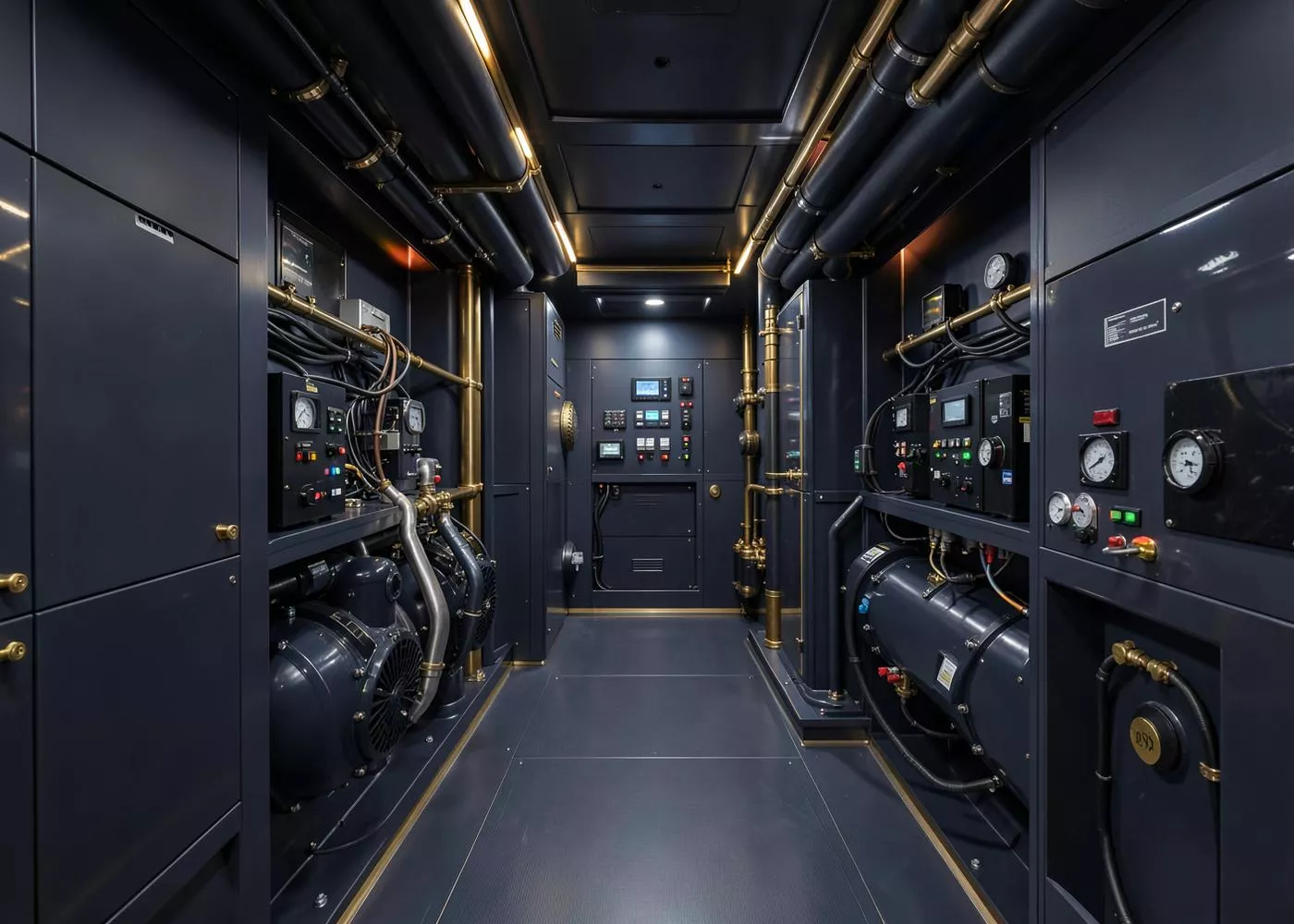
Preparing machinery for sea
- Preparing main machinery for sea
- Preparing auxiliary machinery for sea
- Steering gear tests before departure
- Confirming and recording the tests carried out
Fishing fleet · Operational engineering
Fishing Engine Class 2Engineer Officer (Fishing Vessel) Class 2 preparation: preparing machinery for sea, running the watch, and acting correctly when something goes wrong.
Class 2 fishing vessel engineering oral preparation. Two weeks, £1,675, live online by Zoom or classroom, starting the first Monday of each month.
Rank / pathway
Class 2 Fishing Vessel Engineer — Engineering pathway
Duration
2 weeks intensive preparation
Delivery
Zoom / live online or classroom in Glasgow
Intake
Starts the first Monday of each month
Fee
£1,675
Course dates
Choose the batch you want to book.
Batches start on the first Monday falling within the month. Two exceptions: the December 2026 batch starts Wednesday 25 November 2026 and the December 2027 batch starts Wednesday 24 November 2027.
Answer first
Class 2 fishing engineering is about the working day: getting the machinery ready, keeping the watch safely, reading the log and knowing what the numbers mean, and reacting properly when there is a fault, a shock or a spill.
This course teaches that scope and then rehearses it as oral questions, including the immediate-action answers that examiners consistently probe.
It is preparation for the MCA oral examination, which the MCA conducts and controls.
Syllabus-led preparation
Preparation is structured around the published MCA oral examination syllabus for Engineer Officer (Fishing Vessel) Class 2. The examiner can draw from any part of that syllabus.
How the preparation works
A sequence built for oral examinations rather than written ones.
Each subject area is taught first by experienced maritime instructors, live online or in the classroom, so the foundation is solid before you are questioned on it.
Topics are then rehearsed the way an examiner asks them: a scenario, your reasoning out loud, and follow-up questions that test whether the answer holds.
Guided study between sessions, plus group discussion and peer questioning, so gaps surface in the classroom and not in the exam room.
Preparation is shaped by published candidate feedback on what is currently being asked, keeping your revision pointed at the right places.
A live mock session runs the full oral format end to end, with structured feedback on both content and delivery.
The closing stage concentrates on the weak areas that remain, so you go in knowing what you know. No one can promise you a pass — the MCA decides that.
Built around real oral preparation
Experienced maritime instructors, feedback-driven preparation and digital learning support available alongside your course.
Oral-style question practice supported by MCA Orals GPT, with a live mock session to rehearse the real format.
Learn more
Digital maritime learning support available to candidates preparing with World Yacht.
Visit eSailorSecure your place
Card payment is handled securely at checkout. After payment we contact you to confirm your start date, delivery format and joining details.
£1,675
Batch: — starts
The fee covers the World Yacht preparation course only. The MCA oral examination is booked, conducted and charged for separately by the Maritime and Coastguard Agency. Prefer to speak to us first? Use Book / Enquire or WhatsApp above.
This is oral examination preparation delivered by World Yacht. The Maritime and Coastguard Agency conducts the oral examination itself, sets eligibility, and makes the Certificate of Competency decision. We do not book, conduct or guarantee the outcome of your examination, and no preparation course can promise a pass. Confirm your eligibility and notice of eligibility requirements directly with the MCA before booking.
Questions candidates ask
Related preparation
Next step
Tell us your ticket and your exam timeline and we will confirm the next start date, the format that suits you and what to prepare beforehand.
Or email enquiries@theworldyacht.com · Call +44 141 370 0848
Secure checkout
·
Tell us which oral you are preparing for and how to reach you. We normally reply within one working day.