- by
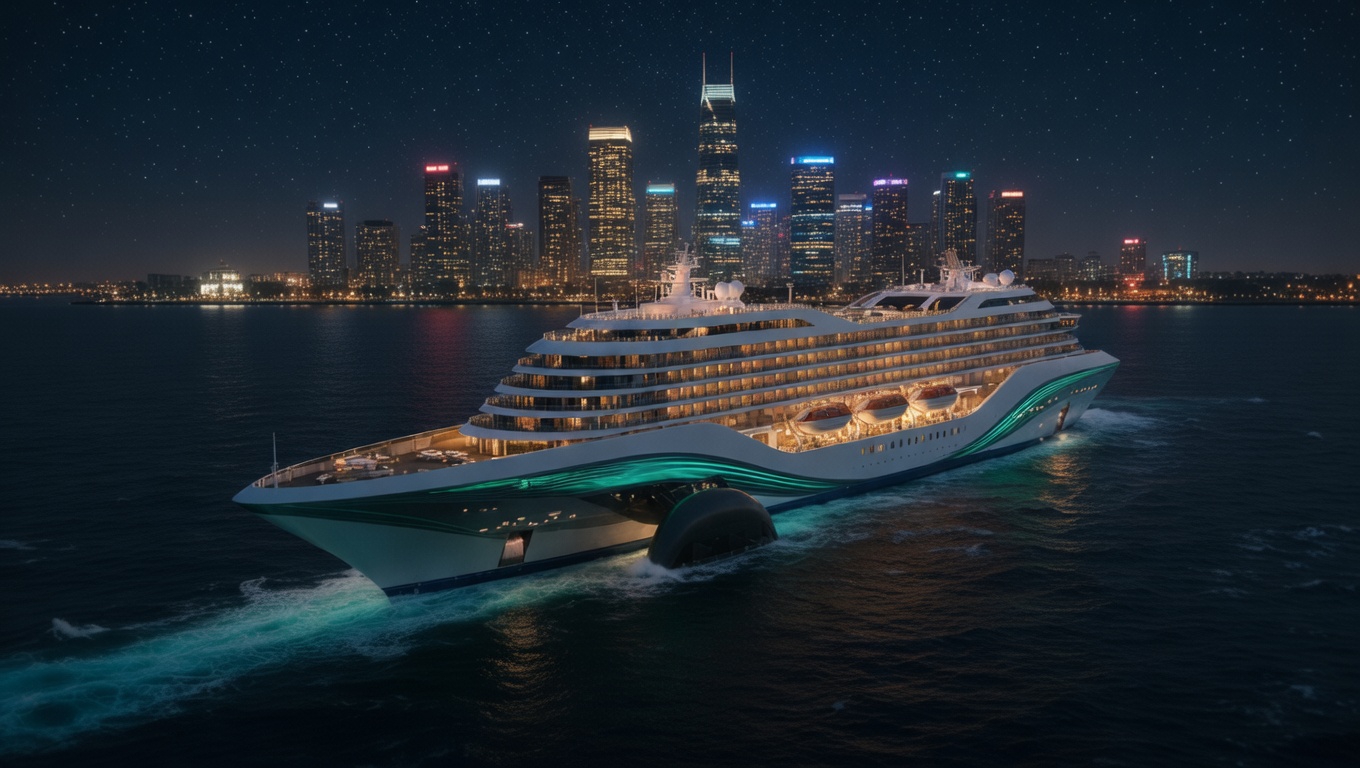
March 23, 2026 – Just four days ago, on March 19, history was made at Fincantieri’s Ancona shipyard in Italy. The Viking Libra – billed as the world’s first hydrogen-powered cruise ship capable of true zero-emission operations – touched water for the first time in a spectacular float-out ceremony.
At approximately 54,300 gross tons, 239 metres long, with 499 cabins accommodating up to 998 guests, this isn’t some experimental prototype. It’s a full-sized Viking ocean ship designed for premium itineraries in the Mediterranean and Northern Europe starting late 2026. Delivery is scheduled for November, with a sister ship, Viking Astrea, following in 2027.
What makes this launch electric? Its hybrid propulsion system, powered partially by liquefied hydrogen and advanced fuel cells developed by Fincantieri subsidiary Isotta Fraschini Motori (IFM). The setup can deliver up to 6 megawatts of clean power, enabling the ship to operate silently and emission-free in the most environmentally sensitive areas – places where traditional vessels are increasingly restricted.
Viking Chairman and CEO Torstein Hagen put it perfectly: “The float out of the Viking Libra represents another milestone for Viking and our continued partnership with Fincantieri.” For an industry under massive pressure to decarbonise, this is more than a ship launch – it’s proof that zero-emission passenger shipping is no longer a distant dream.
Why This Matters to Ship Officers, New Entrants and Shore Management
For serving officers and engineers on the bridge or in the engine room: Hydrogen and fuel-cell technology is arriving faster than many expected. Early adopters will be the ones commanding premium green vessels and commanding premium packages.
For new entrants to the Merchant Navy: This is your moment. Specialising in alternative fuels now gives you a massive edge in a market hungry for skilled talent. Hydrogen bunkering, fuel-cell maintenance, and hybrid system management are about to become core competencies – not nice-to-haves.
For senior and middle-level shore staff in shipping companies: Fleet planning just got more urgent. Hydrogen supply chains, bunkering infrastructure, regulatory compliance, and risk assessments are moving from “future consideration” to “2027 budgeting priority.” Companies that get ahead on training and certification will win the talent war and avoid compliance headaches.
How This Breakthrough Is Already Reshaping Maritime Training
The Viking Libra launch is the loudest signal yet that alternative-fuel training can no longer be an afterthought.
The IMO’s Human Element, Training and Watchkeeping (HTW) Sub-Committee just wrapped its 12th session in late February 2026 and finalised draft interim training guidelines for methanol and ammonia fuels (to be rubber-stamped at MSC 111 in May). A clear workplan to 2029 is now in place for hydrogen fuel cells, LPG, battery systems, and wind-assisted propulsion – exactly the technologies the Viking Libra pioneers.
What this means in practice for training providers, academies and individual seafarers:
- Mandatory upskilling for existing officers: Expect new STCW endorsements covering hydrogen safety, fuel-cell operations, emergency response, bunkering procedures, and hybrid propulsion management. Simulator training will become essential – real-world experience alone won’t cut it.
- Updated cadet and new-entrant programmes: Maritime colleges worldwide are already integrating hydrogen and fuel-cell modules. Glasgow Maritime is no exception – our programmes are evolving to include these competencies from day one.
- Shore-side impact: Technical managers, superintendents and compliance teams need working knowledge of the new fuel technologies to approve vessel modifications, conduct risk assessments, and meet ISM Code requirements.
- Career acceleration: Seafarers who complete recognised alternative-fuel training first will see faster promotions, higher day rates, and access to the growing fleet of green vessels. Early movers win.
In short, the Viking Libra isn’t just floating – it’s lifting the entire industry’s training standards to a new level.
The Bottom Line
Green shipping is no longer coming – it’s here. The world’s first hydrogen-powered cruise ship proves it.
Whether you’re a Chief Engineer eyeing the next big step, a cadet choosing your specialisation, or a shore-based manager steering company strategy, the message is clear: invest in alternative-fuel training today or watch your competitors sail past tomorrow.
Stay ahead of the curve with the latest industry intelligence right here on the Glasgow Maritime blog. The hydrogen revolution is underway – make sure you’re on board.