- by
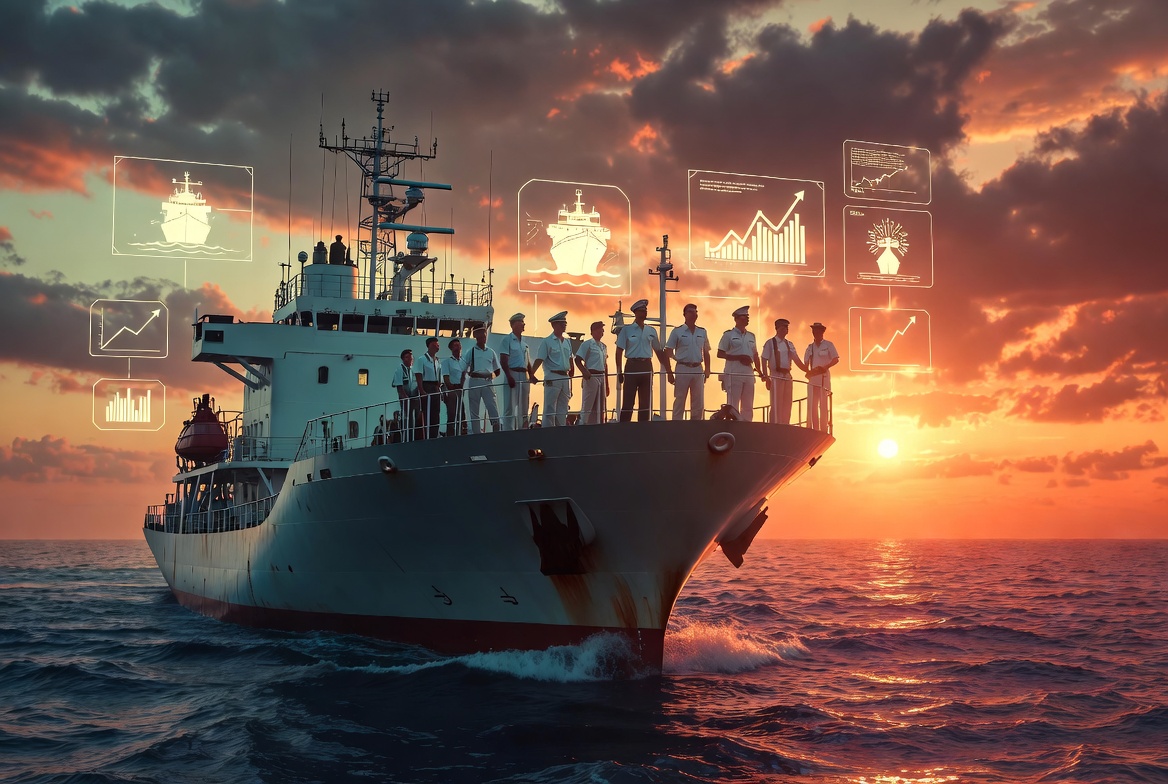
The latest BIMCO and International Chamber of Shipping (ICS) Seafarer Workforce Report 2026, released on 25 June coinciding with the Day of the Seafarer, delivers a stark message to the industry: the global merchant fleet is heading into a critical shortage of qualified officers.
With 85,148 merchant vessels currently in operation and a workforce of approximately 2.57 million seafarers, the report highlights an immediate shortfall of 39,100 STCW-certified officers in 2026. Projections show the industry will need an additional 113,735 officers by 2030 to sustain operations amid fleet growth. To close this gap, shipping companies must recruit and train around 22,747 new officers annually through the end of the decade.
Why This Matters Now – Hot Off the Press Insights
Demand for STCW-certified seafarers has surged 35% since the 2021 report, driven by a 14% expansion in the global fleet and post-pandemic recovery. Officer demand specifically rose 23.1%, while ratings show a temporary surplus. Key supply nations like the Philippines, India, China, Russia, and Indonesia dominate, but retention challenges loom large, with nearly half of current seafarers considering leaving within five years due to evolving demands like new fuels, digital systems, and geopolitical risks.
For ship officers and senior/middle management shore staff, this signals tighter crewing, potential scheduling pressures, and heightened competition for experienced talent. New entrants to the Merchant Navy have a golden window: demand is strong, and pathways from sea to shore roles are increasingly valued.
Impact on Maritime Training – A Call to Action
This development puts maritime training squarely in the spotlight. Traditional cadet programs, simulator-based training, and STCW compliance must scale rapidly to meet the 2% annual officer growth target. Key implications include:
Upskilling for the Future: Training institutions need to integrate modules on alternative fuels (e.g., ammonia, methanol, LNG hybrids), autonomous navigation systems (MASS), digital twins, and AI-assisted operations. The IMO’s recent MASS Code adoption accelerates this shift.
Expanded Capacity: Governments, academies, and companies must boost cadet intakes, apprenticeships, and retention-focused programs. Partnerships like those expanding autonomy training in the UK highlight innovation in MET (Maritime Education and Training).
Attracting Talent: With ratings in surplus but officers scarce, targeted campaigns for diverse, tech-savvy youth are essential. Clear sea-to-shore career ladders and improved welfare will be key to retention.
For Glasgow Maritime Community: As a hub for training excellence, this is an opportunity to lead in specialized courses addressing the officer gap, preparing the next generation for hybrid and autonomous-ready vessels.
Industry leaders emphasize proactive investment: “Seafarers play a key role in the industry’s transition to new fuels and technologies,” notes the report. Without urgent action on recruitment and training, operational resilience and decarbonization goals could falter.
Opportunities for You
Aspiring Officers/New Entrants: The shortage translates to strong job security and accelerated career progression. Invest in relevant certifications now.
Current Officers & Management: Advocate for enhanced training budgets and mentorship programs within your organizations.
Training Providers & Companies: Collaborate on innovative programs to bridge the gap and future-proof the workforce.
The maritime industry has always risen to challenges through human capital and innovation. The 2026 report is not just data — it’s a roadmap for sustained success.
What are your thoughts on tackling the officer shortage? Share in the comments below.