- by
Imagine a future where vast cargo fleets glide across the oceans with minimal human presence on board, powered by cutting-edge autonomy, reducing risks to crews while multiplying shipping capacity. This isn’t science fiction—it’s the bold proposal shaking up the merchant marine world right now. As of March 1, 2026, a groundbreaking article in USNI Proceedings outlines a game-changing shift toward lightly attended autonomous vessels, designed to address the crippling U.S. mariner shortage and supercharge sealift operations in an era of global tensions.
The Core Proposal: Uncrewed But Not Forgotten
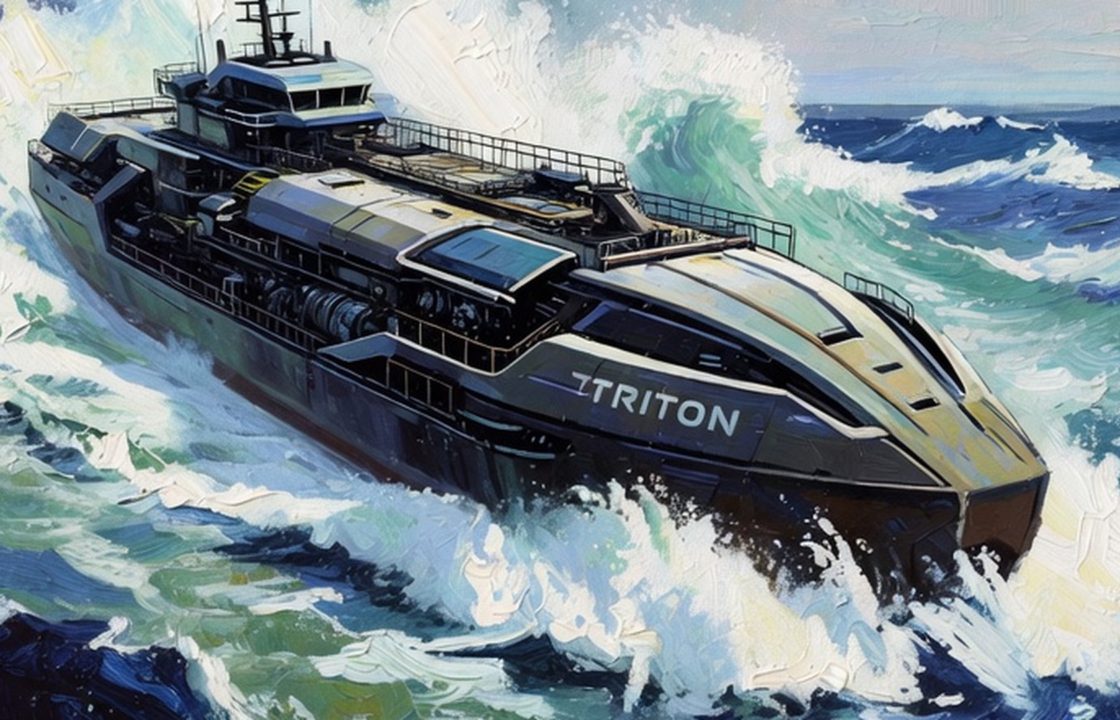
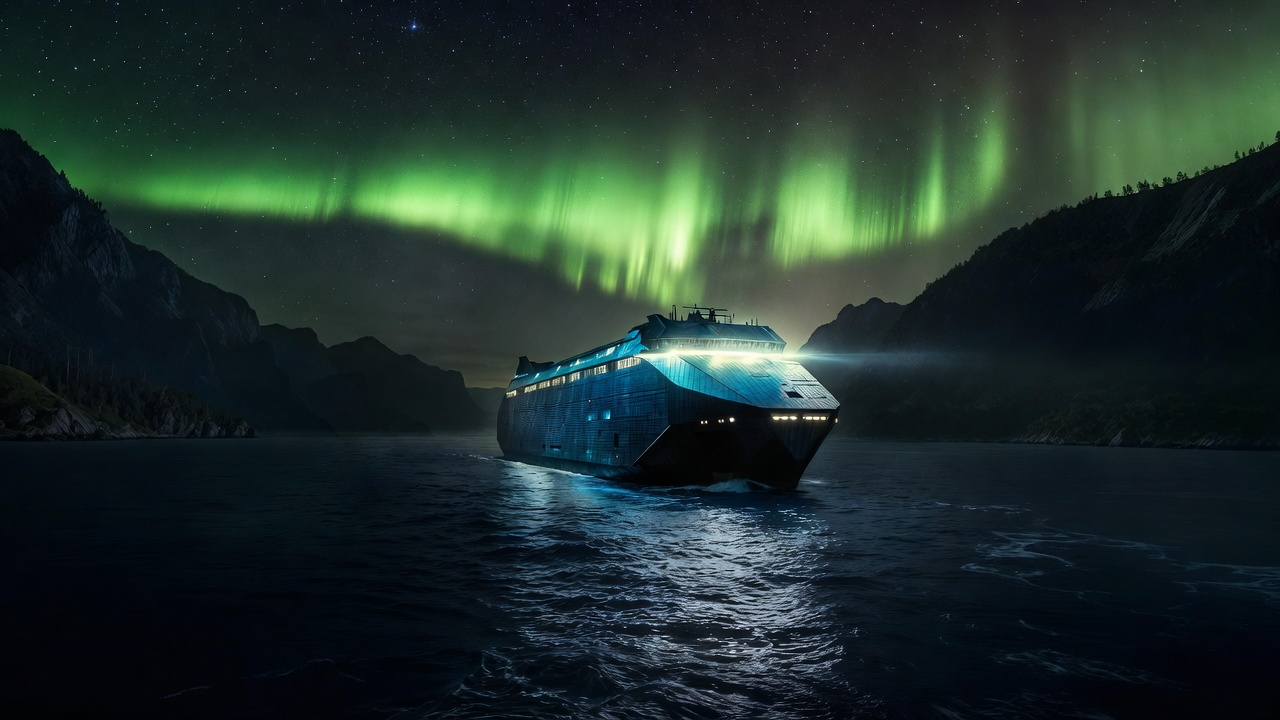
The concept focuses on building 600-800 foot transoceanic cargo ships and smaller intratheater vessels that operate with periodic human intervention rather than full crews. These ships would prioritize simplicity—diesel propulsion, mechanical controls, and autonomous navigation with remote oversight—to enable rapid production and reliable unattended runs of at least five days. They’d travel in convoys with manned “motherships,” where skilled maintainers hop aboard for repairs, minimizing downtime and maximizing cargo haul. This approach draws from historical lessons, like World War II’s high mariner losses, but leverages modern tech to spread expertise thin without breaking it.
For ships’ officers and senior management, this means overseeing hybrid fleets where human ingenuity complements AI-driven efficiency. New entrants to the merchant navy, picture this: instead of being confined to one vessel, your skills could support multiple hulls, amplifying your impact and career mobility in a high-stakes industry.
Tackling the Mariner Crisis Head-On
The U.S. merchant marine is grappling with a dire shortage—only about 12,000 qualified mariners today, down from 55,000 pre-World War II. Training new talent takes years, especially for engineers handling automated systems, and recruiting for conflict-zone voyages is tougher than ever. Autonomous vessels flip the script: by reducing crew needs per hull, we avoid the impossible task of quadrupling the workforce. Fewer lives at risk per shipment, lower operating costs, and resilience against attacks—these are wins for everyone from deck officers braving rough seas to shore-based managers optimizing logistics.
In the broader shipping transportation landscape, this tech could transform commercial operations too. With regulatory hurdles still looming, early adoption in sealift could pave the way for widespread use, boosting U.S. competitiveness amid supply chain vulnerabilities.
How This Shakes Up Maritime Training
The ripple effects on maritime training are profound and exciting. Traditional programs at academies like the U.S. Merchant Marine Academy will evolve to emphasize AI integration, remote vessel management, and predictive maintenance over rote seamanship. New cadets might spend more time in simulators mastering autonomous navigation and convoy tactics, preparing for roles that blend on-deck expertise with digital oversight.
For current officers and middle management, upskilling in autonomy tech could open doors to specialized certifications, making you indispensable in a hybrid fleet era. Shore staff will need training in data analytics and remote monitoring to support these vessels, turning potential job threats into opportunities for innovation. Overall, this shift demands agile curricula—think shorter, targeted modules on cybersecurity for ships and AI ethics—to keep pace with tech advancements, ensuring the next generation enters a safer, more dynamic industry.
Why This Matters Now
As geopolitical pressures mount, from Red Sea disruptions to great-power competitions, autonomous sealift isn’t just innovative—it’s essential. For Glasgow Maritime readers, whether you’re a seasoned captain plotting courses or a fresh recruit eyeing your first voyage, this development signals a resilient future. Stay ahead: engage with emerging tech, advocate for updated training, and let’s sail into this new era together.