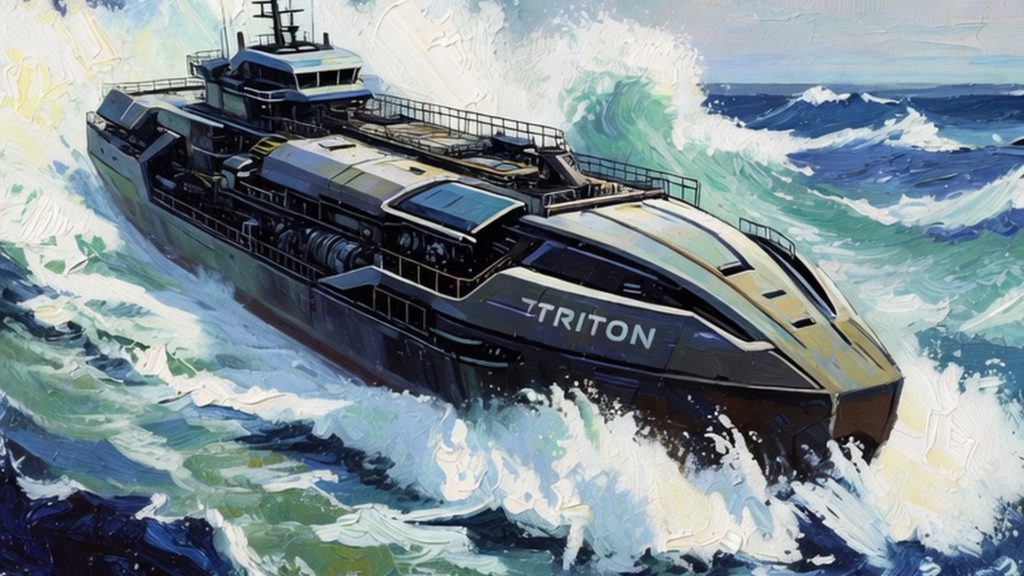
In a move that’s set to reshape offshore energy and defense sectors, UK-based marine services giant James Fisher and Sons has just announced a strategic minority investment in U.S. autonomous marine tech pioneer Ocean Aero. This fresh development, part of Ocean Aero’s Series D funding round, underscores the accelerating push toward crewless, sustainable vessels – and it’s happening right now in early 2026. With the maritime industry facing mounting pressures for efficiency, safety, and emissions reduction, this partnership couldn’t be timelier.
What’s the Buzz About Ocean Aero’s TRITON?
At the heart of this investment is Ocean Aero’s flagship TRITON – the world’s first autonomous vehicle designed to seamlessly operate both on the surface and underwater. Powered by wind and solar energy, TRITON eliminates the need for onboard crews, slashing operational risks and costs while delivering real-time data collection for marine monitoring, subsea inspections, and environmental surveys. Imagine a versatile platform that dives to gather seabed data one moment and surfaces to transmit insights the next, all without human intervention. This isn’t sci-fi; it’s deployable tech already making waves in offshore wind farms, oil & gas platforms, and defense operations.
James Fisher’s stake amplifies their global reach, leveraging their extensive network to deploy TRITON worldwide. For ship officers and management, this means access to tools that enhance decision-making with precise, remote-gathered intelligence – think predictive maintenance for subsea assets or rapid response to environmental incidents.
Why This Matters for the Shipping and Transportation Industry
The timing aligns perfectly with broader industry shifts. As regulations tighten on emissions (hello, IMO’s 2050 net-zero goals), autonomous systems like TRITON offer low-emission alternatives to traditional manned vessels, reducing fuel consumption and crew exposure to hazardous environments. For senior and middle-level shore staff, this translates to streamlined operations: fewer logistical headaches, lower insurance premiums, and data-driven strategies that boost competitiveness in a volatile market.
But it’s not just about cost savings – it’s about safety and innovation. Autonomous tech minimizes human error in high-risk areas, potentially cutting accident rates and enabling 24/7 monitoring in remote waters. For new entrants to the merchant navy, this opens doors to a dynamic field where tech meets the sea, blending traditional seamanship with cutting-edge robotics.
Transforming Maritime Careers: Opportunities Ahead
Ship officers, take note: Roles are evolving from hands-on deck duties to overseeing autonomous fleets via shore-based control centers. This shift demands skills in data interpretation, AI integration, and remote piloting – think captaining a vessel from afar while analyzing live feeds. For aspiring mariners, it’s an exciting entry point; companies like James Fisher are scouting talent versed in STEM alongside nautical knowledge, promising faster career progression in specialized tech roles.
Shore-based management will see amplified responsibilities in tech adoption, from procurement to integration. Expect a surge in demand for professionals who can bridge operational needs with digital solutions, fostering hybrid careers that span engineering and logistics.
How This Affects Maritime Training: Time to Upskill
The ripple effects on training are profound. Traditional maritime academies, including those in Glasgow, must adapt curricula to include autonomous system operations, cybersecurity for unmanned vessels, and VR-based simulations of TRITON-like deployments. New entrants will benefit from hands-on modules using digital twins – virtual replicas of real vessels – to practice without real-world risks.
For seasoned officers and shore staff, continuous professional development (CPD) programs will emphasize reskilling: short courses on AI ethics, remote diagnostics, and regulatory compliance for autonomous ops. Institutions like the Nautical Institute are already pivoting toward these, ensuring seafarers aren’t left behind. The result? Safer, more efficient crews equipped for a tech-driven future, with reduced training costs through simulator-heavy approaches.
This investment isn’t just funding; it’s a signal that autonomous tech is mainstreaming. As Glasgow Maritime, we’re committed to keeping you ahead – whether you’re navigating from the bridge or strategizing from the office. What’s your take on autonomous vessels? Drop a comment below and let’s discuss how to prepare.
autonomous vessels, Ocean Aero TRITON, James Fisher investment, maritime innovation, shipping technology, merchant navy careers, maritime training, underwater drones, low-emission shipping, offshore energy advancements