- by
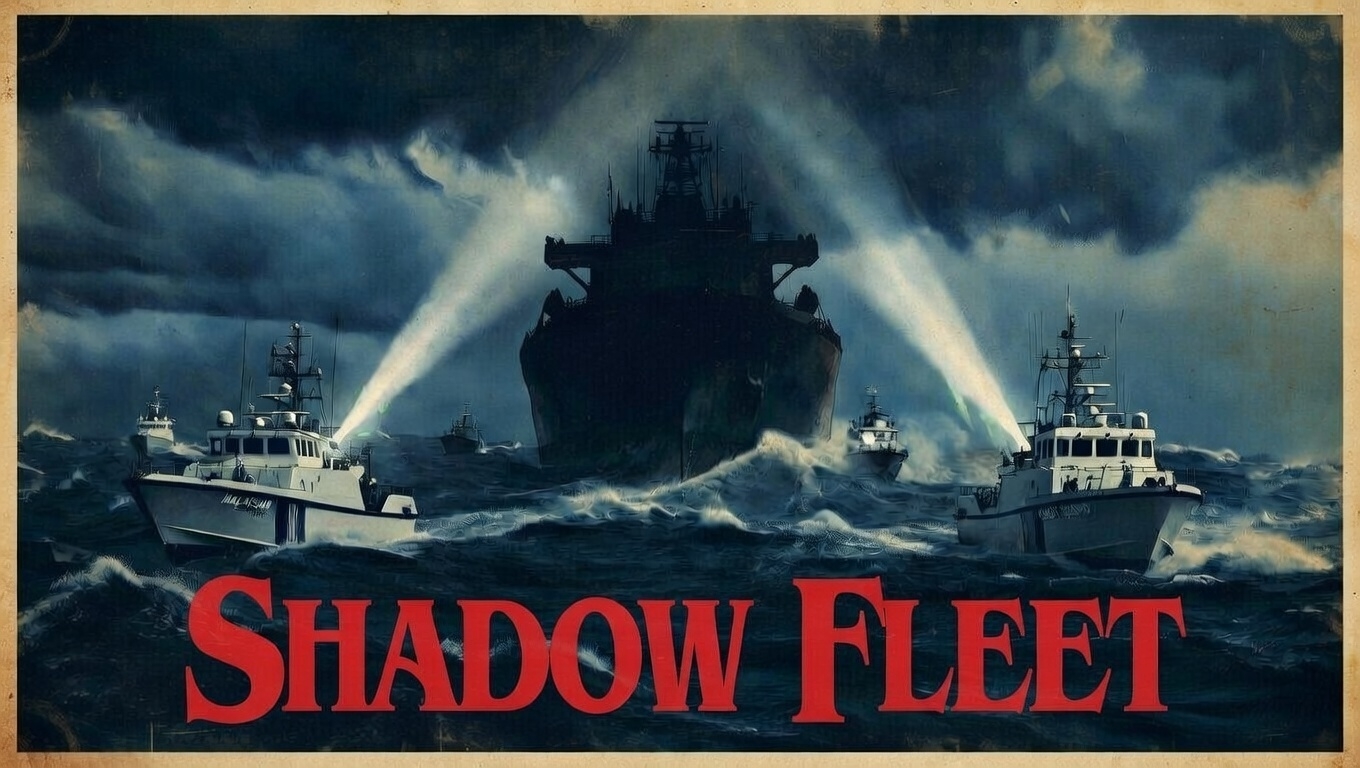
Seafarers, officers, and shipping management: hot off the press this week, Malaysian authorities have detained two tankers and seized over 512 million ringgit (approximately $115 million USD) worth of crude oil suspected of illegal ship-to-ship transfers. The operation, announced February 1, 2026, targets vessels involved in evading sanctions, part of the growing “shadow fleet” transporting Russian or sanctioned oil.
This enforcement action highlights intensified global scrutiny on illicit maritime activities, with Malaysia joining efforts by the US, EU, and others to disrupt dark fleet operations. The detained ships were caught conducting unauthorized transfers, underscoring risks in high-tension areas like the Strait of Malacca and South China Sea approaches.
For ships officers and crew: this serves as a stark reminder of compliance obligations under international sanctions, flag state rules, and port state controls. Seafarers on tankers—especially those in crude or product trades—may face heightened inspections, document checks, and questions about cargo origins during port calls. Refusal to cooperate or suspicious activities could lead to detention, fines, or personal liability.
New entrants to the Merchant Navy: expect these real-world scenarios in your tanker familiarization or advanced training. Awareness of sanctions, due diligence on charters, and recognizing red flags (e.g., AIS manipulation, unusual rendezvous) are becoming core competencies.
Shore-based senior and middle management: this crackdown accelerates the need for robust vetting processes, enhanced due diligence on voyage charters, and updated risk assessments. Companies operating in or near high-risk zones must prioritize crew briefings on compliance to avoid vessel seizures, operational disruptions, or reputational damage amid tightening enforcement.
How This Affects Maritime Training
Training providers are likely to incorporate more case studies on shadow fleet risks, sanctions evasion tactics, and legal consequences into STCW-endorsed courses like Tanker Familiarization, Oil Major Vetting, and Security Awareness. The IMO and flag states may push for mandatory modules on sanctions compliance within existing frameworks, similar to recent updates on alternative fuels or harassment prevention.
Refresher training and company-specific programs will emphasize practical drills: identifying manipulated AIS, reporting suspicious transfers, and understanding crew rights/responsibilities under international law. For cadets and junior officers, this builds vigilance from early career stages; for experienced crew, it reinforces accountability in a geopolitically volatile industry.
This seizure is a wake-up call—compliance isn’t optional. Stay proactive: review your company’s sanctions policy, complete relevant training modules, and report concerns through proper channels. Safe, legal operations protect everyone at sea and ashore.