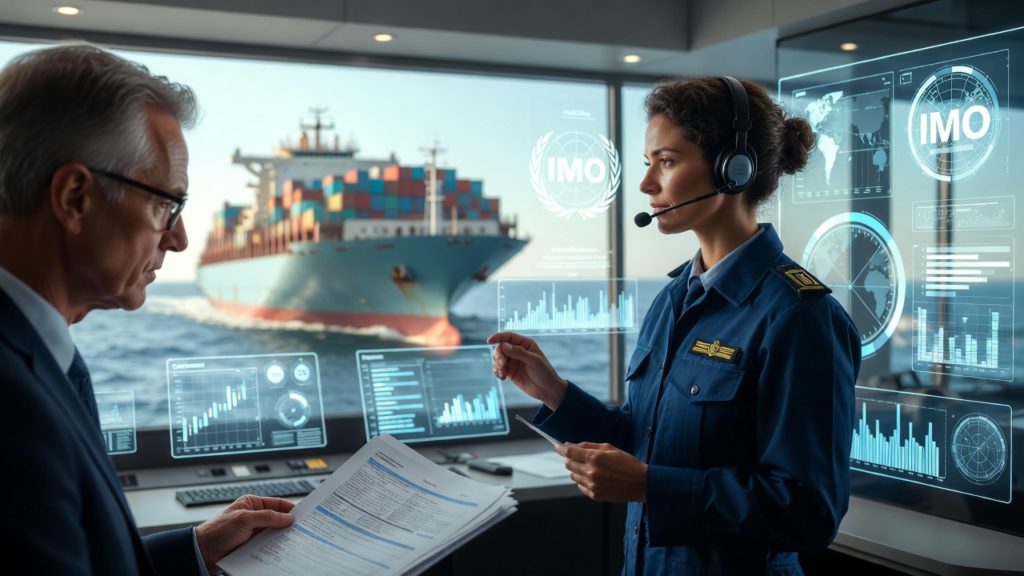
Hot off the press: As of January 1, 2026, a sweeping package of IMO amendments has kicked in across key conventions like SOLAS, MARPOL, STCW, and more. These aren’t minor tweaks—they’re game-changers for onboard safety, environmental protection, crew welfare, and operational compliance.
With the ink barely dry, ships’ officers are already feeling the pressure to update procedures, while training centres report a surge in demand for refreshers. Shore teams? Get ready to audit, budget, and enforce—non-compliance could mean detentions, fines, or worse.
Here’s the breakdown of the biggest changes and what they mean for you.
Key New Rules Now in Force
- Bullying, Harassment & Sexual Assault Prevention Training Fresh amendments to the STCW Code (Table A-VI/1-4) mandate basic training for all seafarers on preventing and responding to violence, harassment (including sexual), and bullying. This is now part of personal safety and social responsibilities competence.
- Mandatory Reporting of Lost Containers MARPOL and SOLAS updates require Masters to immediately report lost freight containers to nearby vessels, coastal states, flag states, and ultimately IMO. Details must include position, number, and hazard info—aimed at reducing navigation risks and marine pollution.
- Safer Onboard Lifting Appliances & Anchor Handling Winches New SOLAS regulation II-1/3-13 sets strict design, operation, inspection, testing, and maintenance standards for these critical pieces of equipment. Backed by fresh MSC circulars.
- Oil Fuel Flashpoint Compliance SOLAS chapter II-2 now prohibits bunkering with oil fuel below 60°C flashpoint. Ships must get a certified supplier declaration before taking fuel—fire safety just got stricter.
- Electronic Inclinometers on New Containerships & Bulk Carriers From build date Jan 1, 2026: vessels 3,000 GT+ must have electronic inclinometers (or equivalent) to monitor and record roll motion for better stability awareness.
- PFOS Ban in Fire Extinguishing Media Phased prohibition of perfluorooctane sulfonic acid (PFOS) in fire-fighting systems—applies to newbuilds immediately and existing ships at next survey.
- Enhanced Fire Safety in Vehicle, Ro-Ro & Special Category Spaces Mandatory fixed fire detection, regular patrols, and full-space video monitoring systems to spot fires faster.
- Other Notables
- Updated IMDG Code (Amendment 42-24) for dangerous goods.
- New Polar Code extensions for smaller non-SOLAS ships in polar waters.
- IGF Code tweaks for low-flashpoint fuels (e.g., ammonia pilots).
- Strengthened fishing vessel personnel standards under STCW-F.
How This Hits the Bridge & Engine Room
For serving officers and new entrants:
- Expect immediate SMS updates and drills on harassment prevention, lost container reporting, fuel quality checks, and inclinometer use (on new tonnage).
- Bridge teams gain tools like electronic inclinometers for real-time stability monitoring—great for heavy weather decisions.
- More paperwork: quick reporting protocols for incidents, plus verification of supplier docs at bunkering.
- Cadets: These topics are now embedded in OOW/Chief Mate courses—add them to your study list ASAP.
The Training & Competency Ripple Effect
This is the biggest training trigger since the 2020 Manila Amendments.
- Mandatory new modules on violence/harassment prevention in basic STCW training.
- Simulator & classroom refreshers for lifting appliance ops, fire system checks, and container loss scenarios.
- Company DP departments rushing to roll out in-house briefings and audits—many fleets are scheduling extra shore-based courses in Q1 2026.
- Shore management must ensure compliance across the fleet, budget for new equipment (inclinometers, video systems), and update vetting/audit processes. Non-compliance risks PSC detentions.
Bottom line: These rules boost safety, welfare, and environmental protection, but they demand quick adaptation. The IMO is sending a clear message—seafarer well being, pollution prevention, and tech integration are non-negotiable in 2026.
Are your procedures already updated? What’s the biggest headache for your team? Share below—we’re tracking how the industry is responding.