- by
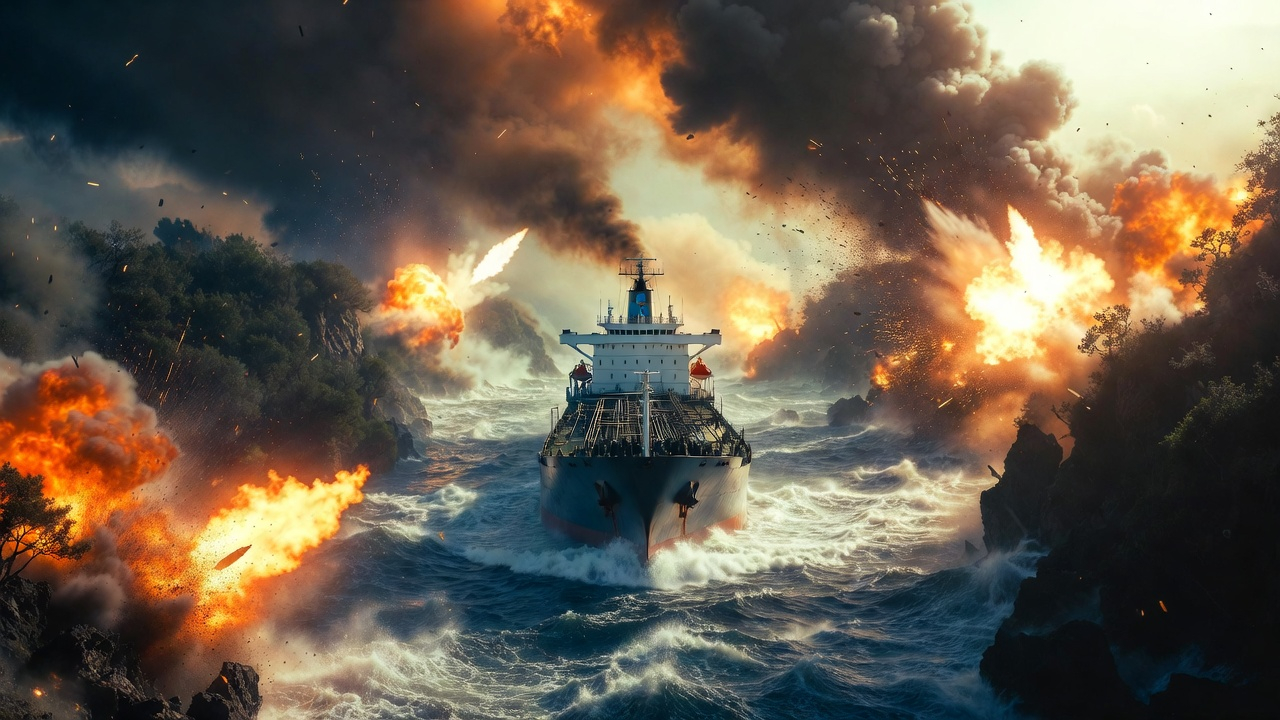
The dramatic escalation in the Strait of Hormuz has once again reminded the world how quickly geopolitics can paralyse global shipping. As of today, Iran’s effective blockade has stranded hundreds of vessels—including oil tankers, LNG carriers, cargo ships and cruise liners—in the Persian Gulf. Traffic through the strait, which carries nearly 20% of the world’s oil supply, has fallen by around 90%. At least 200 ships are now anchored off the coasts of Saudi Arabia, Iraq and Qatar, with the IMO estimating up to 3,000 vessels and 20,000 seafarers directly affected.
Recent incidents include a US strike on an Iranian warship, a Maltese-flagged container ship struck by a projectile, and a tanker set ablaze, forcing crews to abandon ship. Cruise lines such as MSC have cancelled voyages, leaving thousands of passengers unable to return home safely. Brent crude has surged past $115 per barrel in a single session, with analysts warning of $150 oil if the disruption continues. Insurance providers are withdrawing war-risk cover, and supply chains are tightening rapidly.
For ship officers, new entrants to the merchant navy, and shore-based management in shipping companies, this is a stark illustration of how quickly familiar routes can become high-risk zones.
We’ve Already Built These Scenarios into Our Training
At Glasgow Maritime Academy we recognised years ago that geopolitical volatility would become a defining feature of modern seafaring. That is why we have proactively integrated crisis-zone preparedness into our core curriculum.
- Enhanced Security & Conflict-Zone Modules Our STCW-compliant Security Awareness and Designated Security Duties courses now include realistic simulations of blockades, missile threats, and sudden route closures—drawing directly from real-world events such as the current Hormuz situation.
- Geopolitical Risk Assessment Every MCA Orals preparation and HELM (Management) course includes dedicated sessions on evaluating geopolitical flashpoints, interpreting intelligence briefings, and making route-risk decisions under time pressure.
- Emergency Response & Crew Welfare in Crisis Advanced Firefighting, Proficiency in Survival Craft, and Crisis Management & Human Behaviour courses feature scenarios built around abandoned-ship situations, crew evacuation under fire, and prolonged anchorage with limited supplies.
- Shore-Side Contingency Planning Our Management-level courses for senior and middle shore staff teach supply-chain disruption modelling, alternative routing strategies, war-risk insurance implications, and crew repatriation protocols.
These elements are not optional add-ons—they are embedded in every relevant programme because we know the next Hormuz, Red Sea or Black Sea incident is not a question of “if” but “when”.
Looking Ahead
The current crisis will pass, but the underlying risks will not. The seafarers who come through Glasgow Maritime Academy leave equipped not only with certificates, but with the mental models and practical experience to handle exactly these kinds of disruptions. For shipping companies, that translates into more resilient crews and fewer operational surprises.
If you are an officer facing these challenges, a cadet preparing for your first contract, or a manager responsible for fleet safety and continuity, we are here to help you stay ahead of the curve.