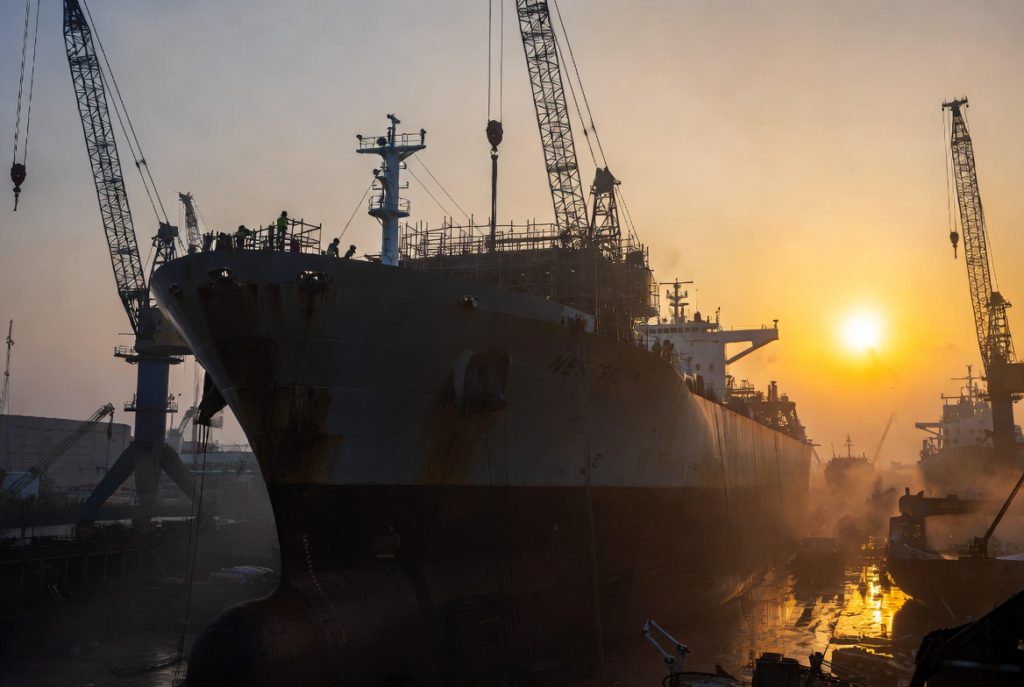
Three days ago, on 9 April 2026, BIMCO released the latest update that sent shockwaves through every shipping boardroom and ship’s mess room.
Crude tanker newbuild orders in the first quarter alone hit the highest level ever recorded. The global orderbook has now surged to its highest level in 17 years, driven almost entirely by VLCCs and Suezmaxes as owners race to replace ageing tonnage and lock in future capacity before the next supply crunch.
This isn’t a gradual uptick. It’s a full-throttle fleet expansion that will add millions of deadweight tonnes to the world’s tanker fleet by 2029.
For every ship’s officer, new cadet and shore-side manager, the numbers just rewrote the next five years of your career.
Why This Changes Shipping Operations Right Now
Owners and charterers are committing capital at a pace not seen since the post-2008 recovery. Newbuildings are being specified with larger capacities, improved fuel efficiency and future-proofed for multiple fuel types. Shore teams are already negotiating slot allocations in shipyards from South Korea to China while simultaneously managing the oldest tankers still trading.
The ripple effect is immediate: second-hand prices for modern tonnage are climbing, long-term charter rates are firming, and operators are accelerating scrapping programmes to make room for the new fleet. Middle and senior management are rewriting five-year fleet plans tonight because the ships of tomorrow are no longer on the drawing board – they’re on the orderbook.
What This Means for Ships’ Officers & New Entrants
Senior officers on tankers: your next command could arrive faster than the company’s succession plan ever predicted. With hundreds of new VLCCs and Suezmaxes due in the next 3–4 years, experienced chief mates and second engineers are about to become the hottest commodity in the market.
New entrants to the merchant navy: you are timing your career perfectly. The fleet is expanding while the officer shortage (still running at over 100,000 globally) shows no sign of easing. Cadets who graduate with strong tanker endorsements and simulator time on large crude carriers will have multiple company offers before they even step aboard their first ship.
The officers who will rise fastest are the ones already positioning themselves on the newbuild pipeline – not waiting for the ships to arrive.
How This Latest Development Will Transform Maritime Training
The tanker ordering boom has just turned the training calendar upside down.
Glasgow Maritime and every leading provider must now scale up immediately:
- Accelerated tanker-specific pathways – condensed programmes focusing on VLCC/Suezmax operations, large-scale cargo systems and advanced stability for the new generation of vessels.
- Newbuild familiarisation modules – realistic simulator training on the exact engine and cargo configurations being ordered right now, so officers hit the deck running on delivery.
- Fast-track conversion courses for serving officers – short, high-intensity programmes to bring chief officers and engineers up to speed on the latest fuel systems and automation levels without taking them off the ship for months.
- Expanded cadet intake and mentorship pipelines – direct company partnerships that guarantee sea-time on newbuildings for top graduates.
- Updated STCW tanker endorsements – incorporating the design features of 2028–2030 delivery vessels so training stays ahead of the fleet, not behind it.
Training centres that fail to expand capacity and update syllabuses will leave their graduates watching from the dock while competitors’ officers step straight onto the new ships. Those that move fastest will supply the crews that owners are already competing to secure.
The steel is being cut today. The officers who will command these vessels must be trained tomorrow.